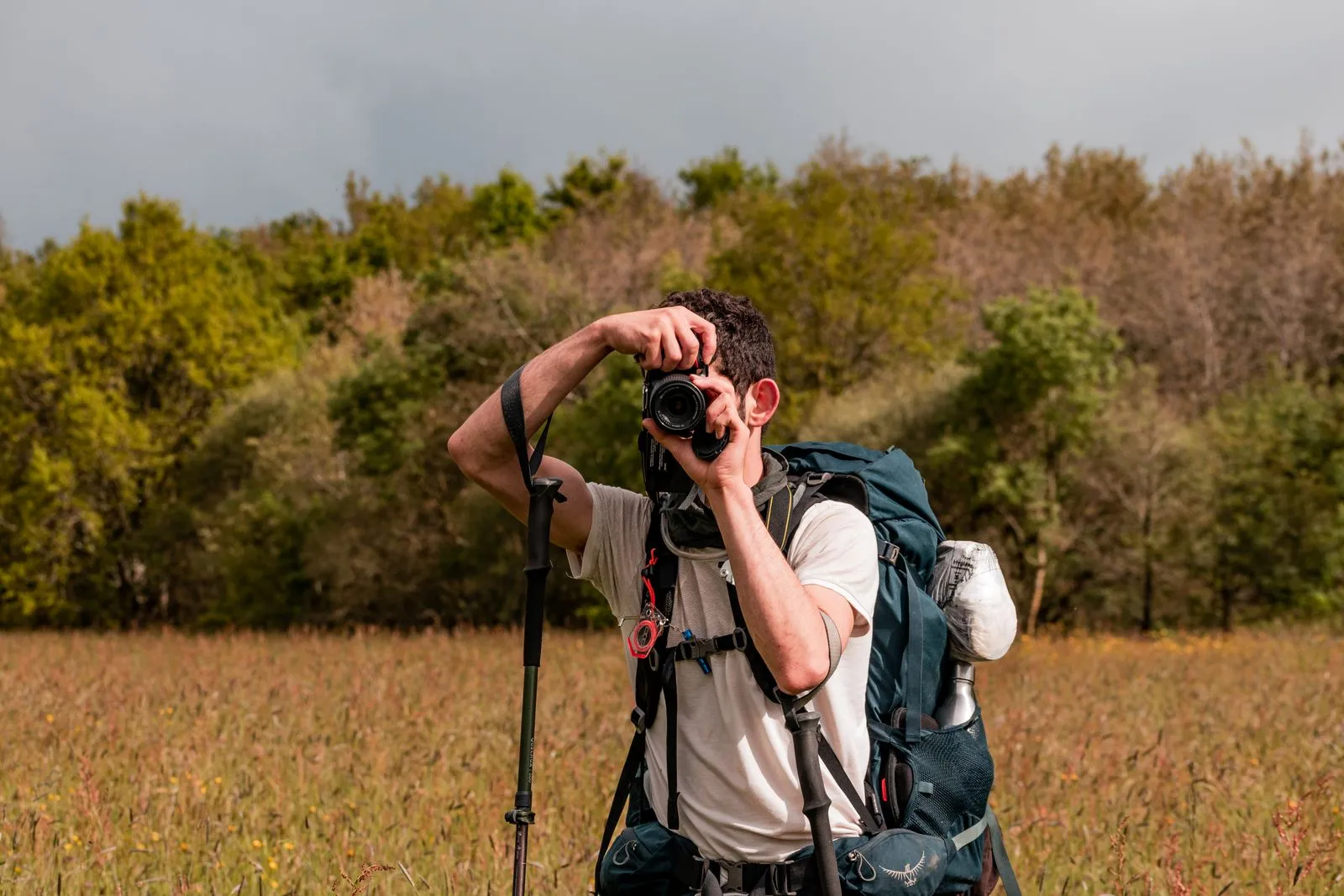
Wyoming wildlife trips can take you from open prairie to rocky foothills, sometimes in the same day. Weather can shift, and long stretches outdoors make small oversights matter: a drained battery, wet camera, or inadequate layers can cut a shoot short. Pack for the conditions you may encounter, not just the forecast at the trailhead. This checklist covers camera gear, weather protection, clothing, and field basics so you can stay comfortable and ready to photograph wildlife responsibly.
Build a Reliable Camera Kit
Start with a camera body you know how to use, plus a telephoto lens suited to the wildlife you hope to photograph. A versatile zoom can reduce lens changes in dusty or windy conditions. Bring a charged spare battery, extra memory cards, and a lens cloth. Keep cards in a protective case, and check that your camera date, time, and file settings are correct before leaving.
Pack a stable support if your route and shooting style call for one. A tripod helps with long waits and low light, while a monopod can be easier to carry over uneven ground. Bring a camera strap or harness that keeps your hands free, and test the setup at home. If you plan to use a remote release or teleconverter, confirm that it works with your camera and lens.
Protect Gear From Weather
Use a rain cover for your camera and lens, even when the forecast looks clear. A dry bag or sealed pack liner adds another layer of protection, while small zip-top bags can separate damp items from dry ones. Pack a microfiber cloth and a blower for dust or water droplets; avoid wiping grit across a lens. A spare plastic bag can provide temporary cover if weather changes unexpectedly.
Temperature swings can affect batteries and create condensation when cold gear moves into warm air. Keep spare batteries in an inside pocket, where body heat can help preserve charge. When you return to a warm vehicle or building, leave camera gear in its closed bag until it adjusts gradually. This reduces the chance of moisture forming on or inside equipment.
Dress for Changing Terrain
Choose layers you can add or remove as wind, shade, and activity change. A moisture-wicking base layer, insulating midlayer, and wind- or water-resistant outer layer provide more flexibility than one heavy coat. Bring a warm hat and lightweight gloves; thin gloves with usable fingertips can help you operate camera controls. Avoid clothing that rustles loudly when you move near wildlife.
Wear broken-in footwear with traction appropriate to your route, and consider gaiters if you expect brush, loose dirt, or wet grass. Carry sun protection, including a brimmed hat, sunglasses, and sunscreen. Pack water and a snack where you can reach them without unpacking your camera. For longer walks, check your route and expected conditions before choosing how much gear to carry.
Cover Safety and Field Basics
Bring a map or downloaded offline navigation, a charged phone, and a compact first-aid kit. A headlamp is useful if a session runs late, and a power bank can help keep your phone available. Tell someone where you plan to go and when you expect to return, especially if you are heading into an area with limited service. Check access rules and closures before setting out.
Give wildlife space and use your lens rather than approaching animals for a closer frame. Pack binoculars to identify subjects from a distance, and carry any permits or identification required for your destination. A small notebook can help record locations, light, and camera settings. Before you leave, confirm that your pack balances comfortably and that essential items are easy to reach.
A well-packed kit balances image-making gear with protection, comfort, and safety. Adjust this checklist to your route, forecast, and the time you expect to spend outside, then test your pack on a short walk before a longer trip. For help choosing gear for your field plans, Prairie Lens can help you think through a practical setup.